


A City That Captures Time
Summary
- Yangon’s dense collection of colonial-era buildings is unrivalled across Southeast Asia and stands as a lasting symbol of the city’s cosmopolitan past and its distinctive urban identity.
- The city’s grid was planned over 150 years ago by Dr. William Montgomerie and extended by Lieutenant Alexander Fraser, creating the contrast between a dense downtown core and the meandering avenues to the north.
- The former Burma Railways Company headquarters, built in the 1880s, is one of Yangon’s oldest administrative buildings and a landmark example of the city’s heritage architecture.
- Yoma Central, a 10-acre heritage restoration and mixed-use development involving Cecil Balmond, aims to revitalise Yangon’s original city centre while building a sustainable future for the city.
- With Grade-A offices, The Peninsula Yangon, The Westin and branded residences, Yoma Central positions heritage as a living asset, a place where the world meets Myanmar and Myanmar meets the world.
Yangon’s urban landscape bears an indelible imprint from the past and a valuable legacy. The city’s density of colonial-era buildings is unrivalled throughout Southeast Asian and symbolises Yangon’s cosmopolitan past.
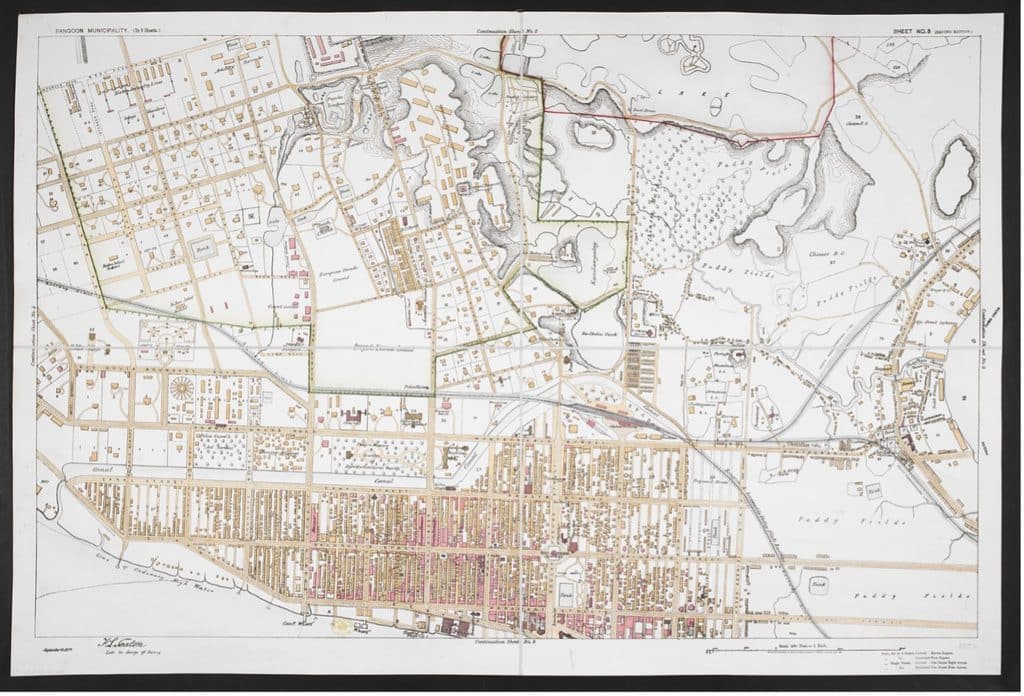
It is a legacy dating back over 150 years ago when Dr. William Montgomerie, armed with planning experience as a member of Sir Stamford Raffles’ Singapore Town Committee, drew up the grid of streets that would come to define the city of Yangon.
Lieutenant Alexander Fraser extended Montgomerie’s chessboard-like layout into the first plans for the city. Yet the job was far from done, transforming the location from a riverside swamp to a modern city required elevating the entire town by 2-3 feet during the 1860’s.
From that point the colonial administration and commercial presence grew along with the city’s rapidly expanding population.
And the duality of Yangon’s urban landscape, from its geometrically dense downtown core to the more generous and meandering avenues to the north is evident in the city’s early maps and remains a defining characteristic of Yangon to this day.
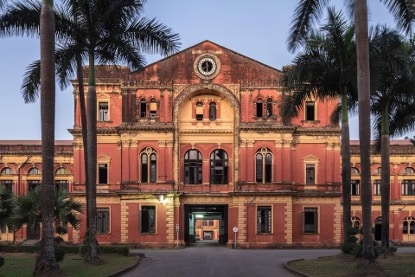
The Former Headquarters of the Burma Railways Company
Originally built in the 1880’s and one of Yangon’s prominent landmarks ever since, the distinctive former headquarters building Burma Railways Company is a heritage colonial building. It housed the administration of Myanmar’s railway system, the largest commercial operation in the country and a major facilitator of trade and access.
This is one of the oldest administrative buildings remaining in the city. Its distinctive laterite and brick façade and intricate filigreed awnings have ensured it stands out as a landmark on this prominent street corner.
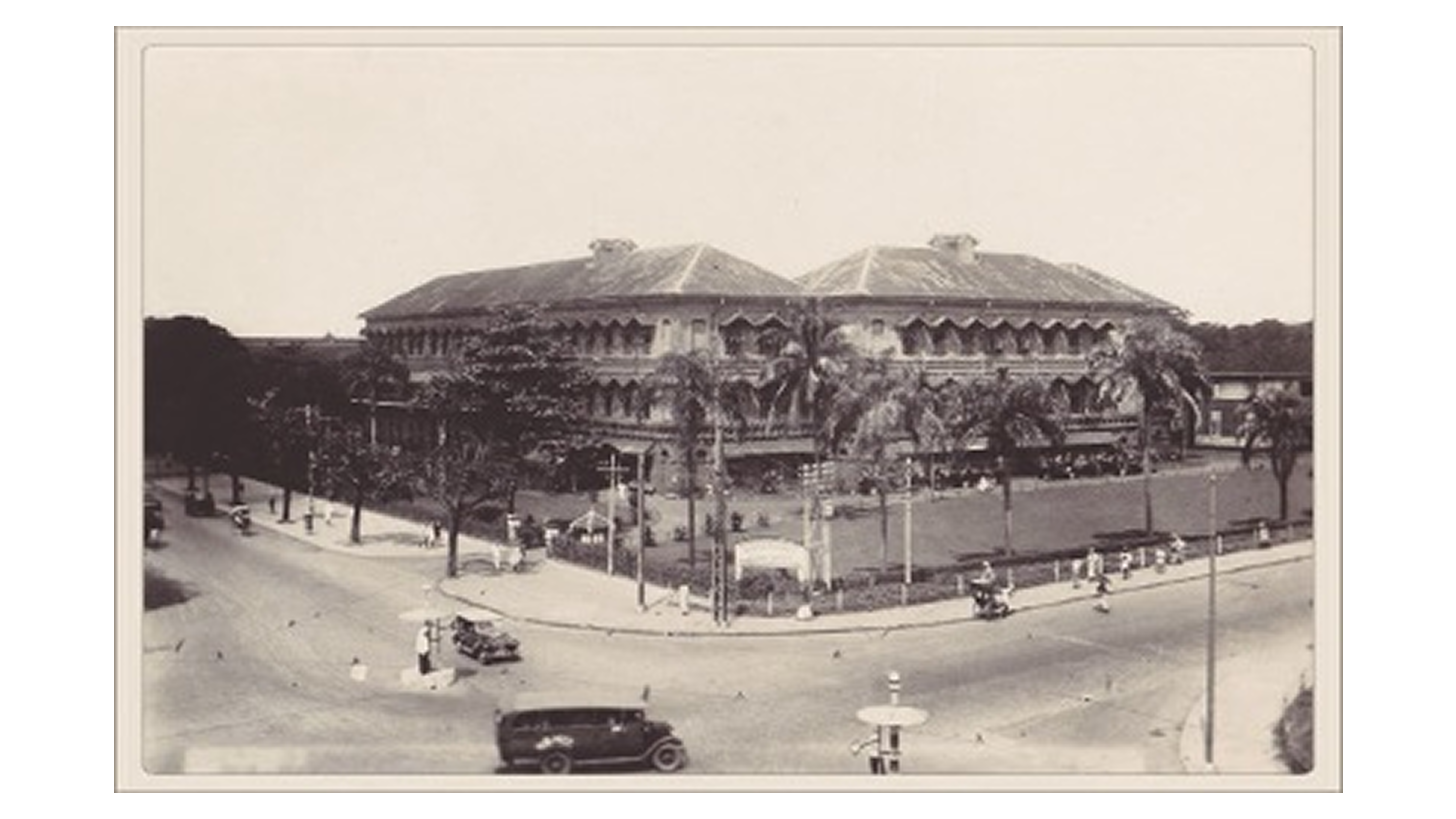
Located at the intersection of Bogyoke Aung San Road and Sule Pagoda Road and home to the popular Bogyoke Market, this iconic building is a fine example of the city’s legacy of colonial-era architecture.
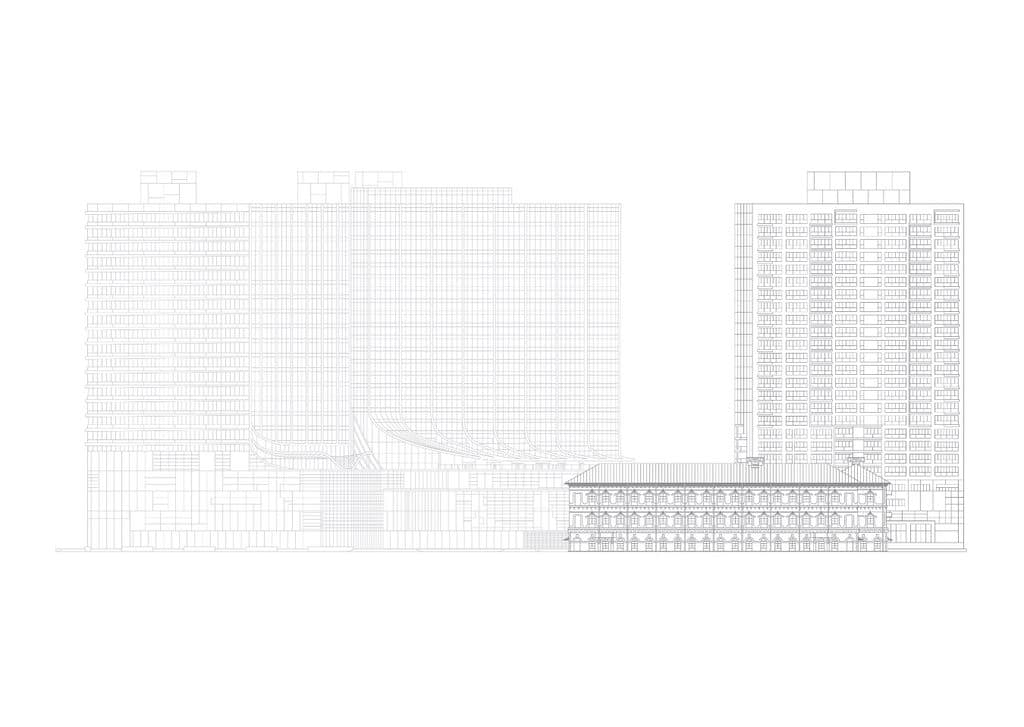
Yoma Central
This world-class heritage restoration project promises to place Myanmar on the conservation map of the world in helping to restore Yangon to its former glory. It involves Cecil Balmond, a renowned and celebrated visionary in the world of architecture, design and ‘philosophy of form’. Located on a 10-acre site at the natural centre of the city, Yoma Central is an integrated, mixed-use development that is self-contained and seamlessly connected both within and to the surrounding urban environment.
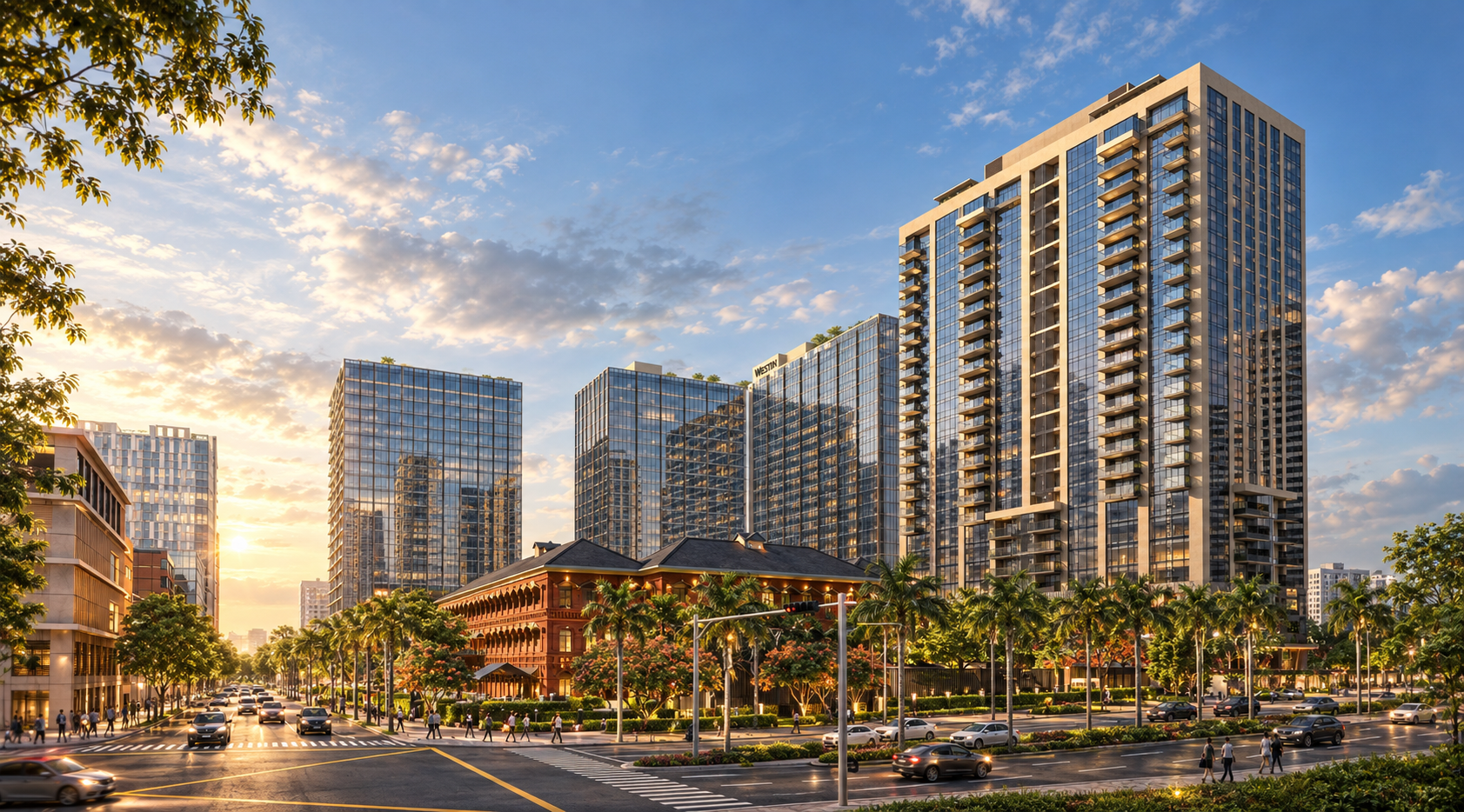
Yangon’s World-Class Address
Offering a choice of commercial Grade-A offices in two separate towers with separate floorplate configurations to suit the needs of different businesses, Yoma Central is positioned as the commercial epi-centre of the city and the business venue of choice.
Home to both the world’s preferred business hotel in The Westin and, the city’s most exclusive and prestigious luxury hotel in The Peninsula Yangon, this will be a must-visit destination for overseas and local visitors alike.
The Peninsula Residences Yangon, is the first genuine product of its kind in the city centre. These luxury branded residences with international pedigree and specifications are connected to the city’s upscale retail mall with international brands & contemporary concepts and a diverse selection of upmarket food and beverage establishments, formal & family dining restaurants.
For the people of Yangon, Yoma Central promises to be the default venue to meet out of town guests and overseas visitors to Yangon and the place to enjoy an international slice of Yangon life.
Yangon not only reclaims its city centre with a development that treasures the heritage of the past. Yoma Central is a symbol of pride for the nation and a place where the world meets Myanmar and Myanmar meets the world.
What story does your city, site or building tell the world? Let's talk.