



Luxury Developments Across Southeast Asia: Designing Places People Want to Belong
Summary
Southeast Asia’s luxury residential market is evolving beyond location and architecture toward belonging, wellness and community. Branded residences are expanding rapidly, and buyers now evaluate developments through lifestyle and identity as much as prestige. Design and storytelling shape perception long before a buyer ever steps inside, as seen across developments in Hanoi, Yangon, Penang, Halong Bay and Singapore. The developments that stand out are the ones building places people genuinely want to belong to, not just own.
Luxury residential development across Southeast Asia is entering a new phase. While premium locations, exceptional architecture and prestigious addresses remain fundamental, they are increasingly accompanied by a broader set of expectations. Buyers today are looking for developments that create a sense of belonging, support wellbeing and express a clear point of view.
According to the latest Knight Frank Residence Report 2025/26, branded residences have expanded from 169 developments globally in 2011 to more than 600 today, with over 1,000 projected by 2030. At the same time, the global population of individuals with more than US$10 million in wealth is expected to exceed 2.5 million by 2028, continuing to support demand for exceptional residential experiences.
Asia remains one of the industry’s most dynamic regions, driven by rising wealth, growing cross-border investment and a new generation of affluent buyers seeking experiences alongside ownership.
For developers across Singapore, Vietnam, Indonesia and Malaysia, this creates an important opportunity. Luxury is increasingly being shaped through thoughtful branding and design that transforms developments into destinations with lasting emotional value.
Luxury is Becoming an Experience and a Place to Belong
The definition of luxury residential living continues to evolve. Buyers increasingly evaluate developments through the lens of lifestyle, wellness and community alongside architecture and location.
Community building has also become a defining consideration, with developers investing in private clubs, curated resident experiences and shared spaces that encourage meaningful connections. Alongside these shifts, purpose-led brands centred on sustainability, wellbeing and lifestyle continue to expand across the sector.
These priorities naturally elevate the role of place branding. The identity of a development is expressed through architecture, landscape, interiors, storytelling and every interaction that surrounds the customer journey. The name, visual language, sales gallery, digital experience and marketing materials collectively shape how buyers understand the development long before occupation.
As luxury developments continue to grow across Southeast Asia, thoughtfully designed brand experiences help create confidence, emotional connection and long-term distinction within an increasingly sophisticated market.
Design Shapes Perception Long Before Occupation
For affluent buyers, perception begins well before they step inside a residence. Brand language, storytelling, photography, marketing materials and sales experiences collectively establish confidence in the development.
This is particularly important as luxury developments compete across increasingly international markets.
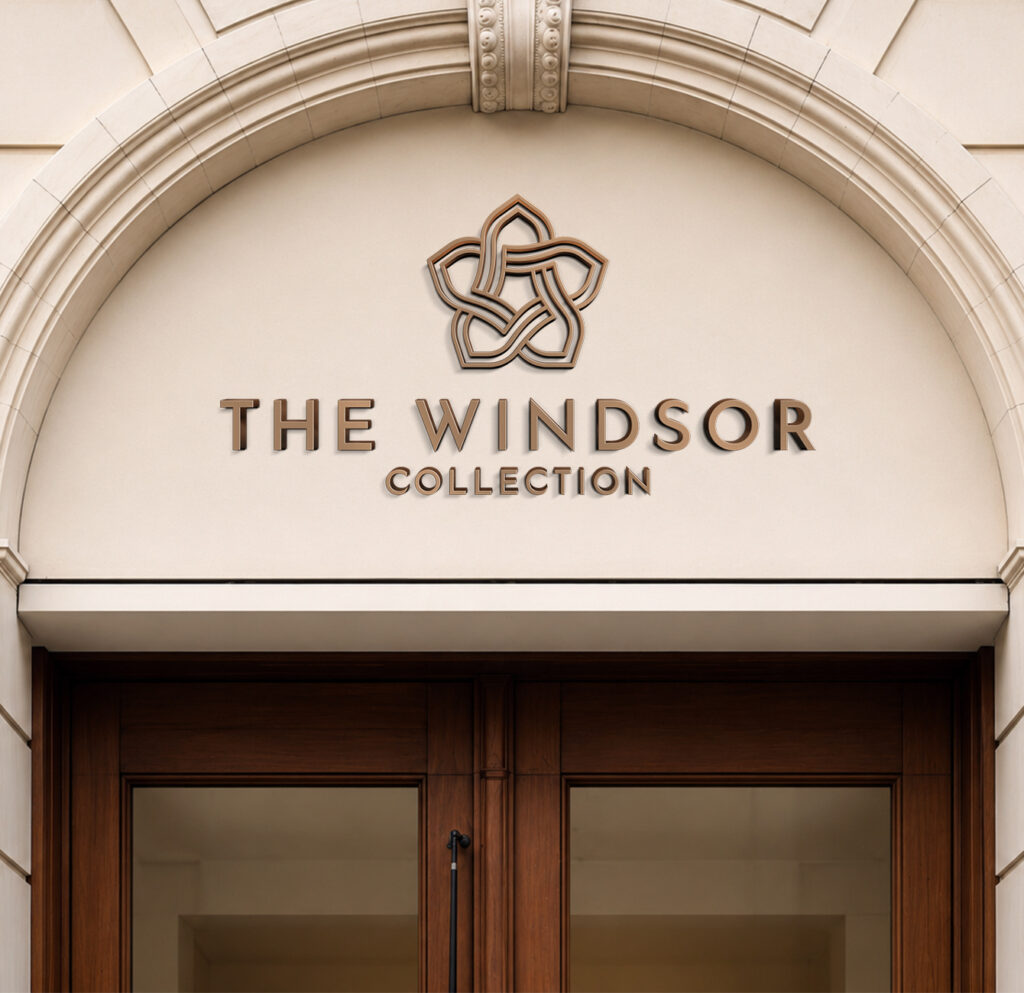
For The Windsor Collection by Legacy Holdings in Hanoi, the opportunity was to position an exclusive residential enclave inspired by British refinement. The brand drew on the enduring symbolism of the English rose and the understated elegance associated with British luxury. This narrative created a distinctive identity that elevated the development and reinforced its position within Hanoi’s premium residential market.
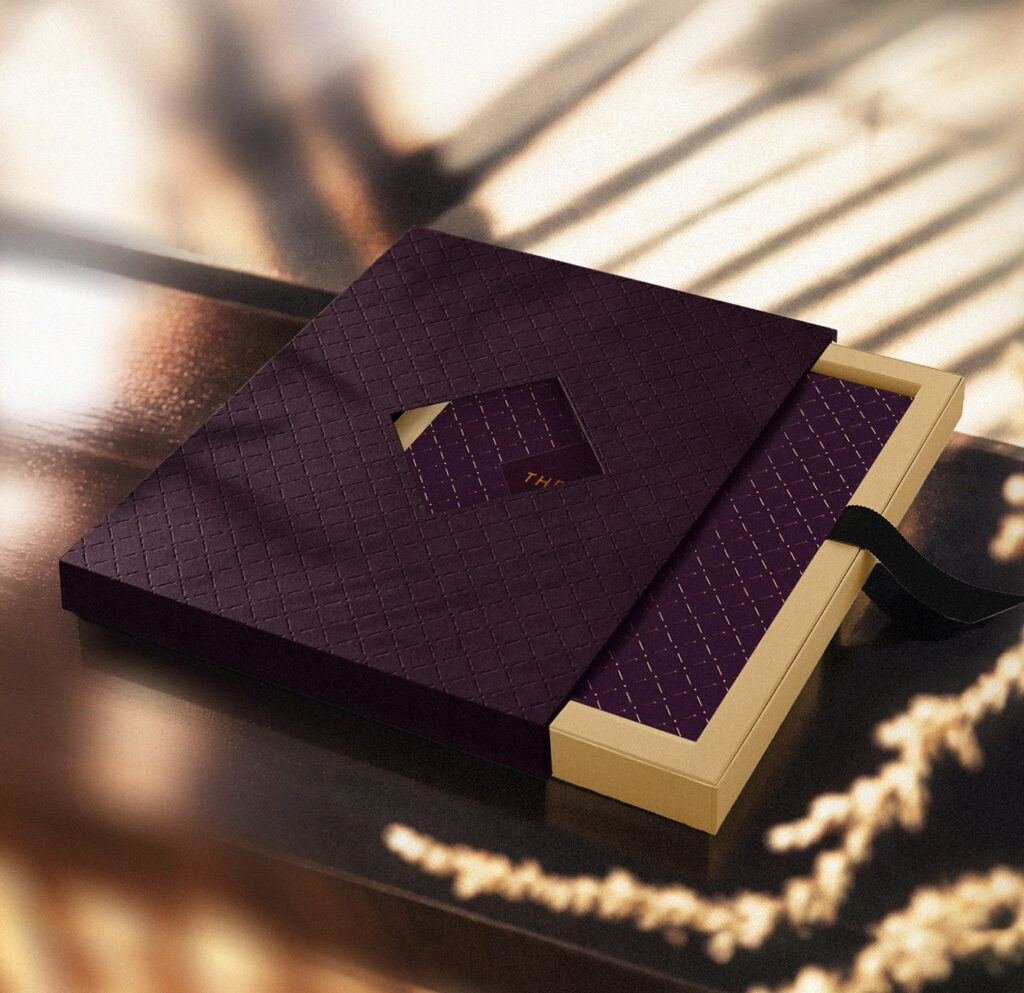
Similarly, The Peninsula Residences Yangon required a market entry strategy that translated one of hospitality’s most respected luxury brands into an exclusive residential offering. Every element, from the interactive sales application to the premium marketing collateral, was carefully crafted to extend The Peninsula’s established brand language into a highly personalised buying experience. Each touchpoint communicated the lifestyle, heritage and exclusivity associated with one of the world’s great luxury hospitality brands.

Heritage brands face a related but distinct challenge: sustaining an emotional connection with guests across generations while staying relevant to new audiences.
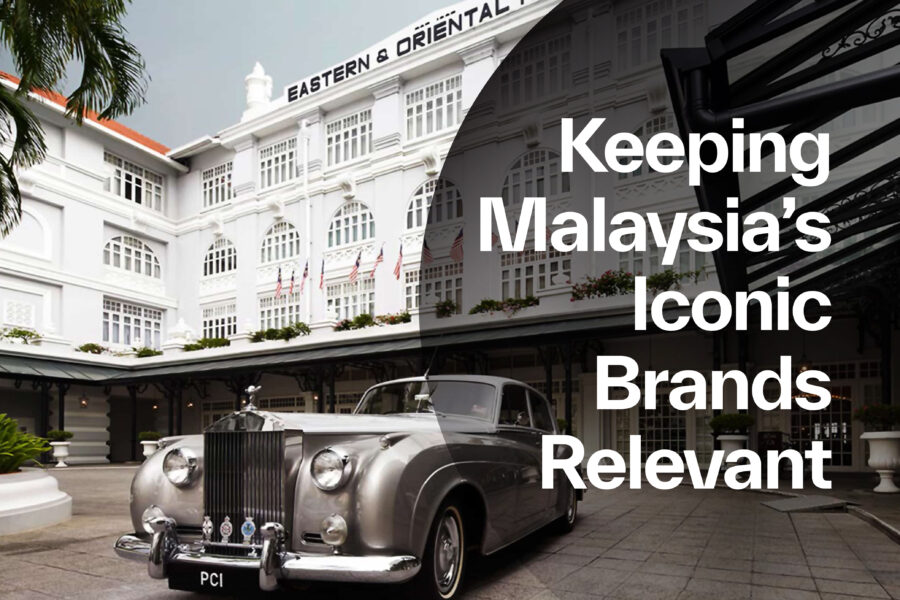
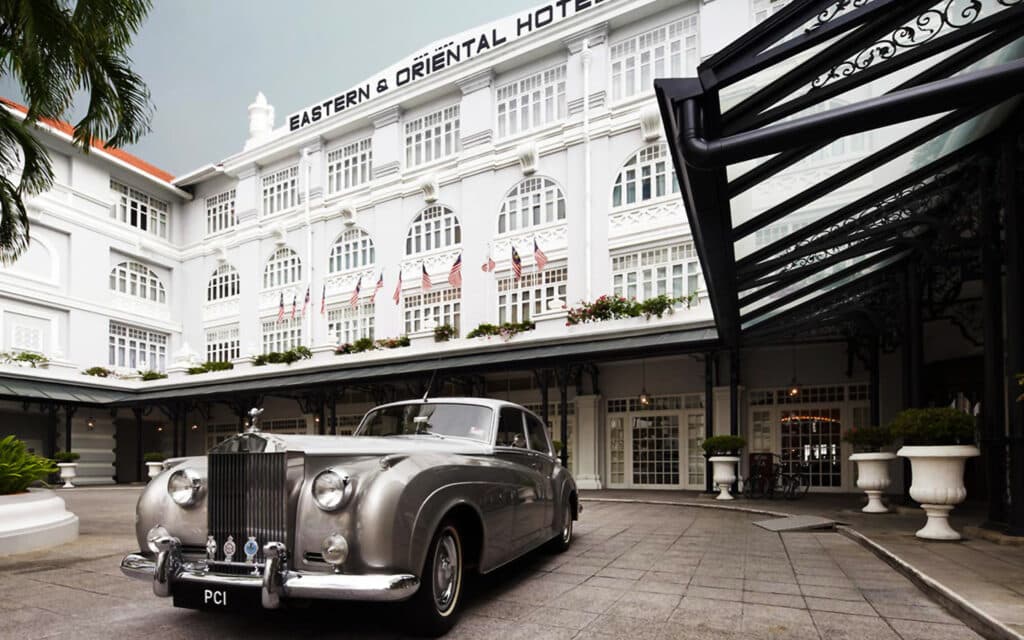
At the Eastern & Oriental Hotel in Penang, one of Southeast Asia’s most storied colonial-era properties since 1885, the focus was on embedding service values that could carry the brand’s timeless character into every guest interaction.
A set of enduring brand promises, brought to life through staff engagement and a refreshed visual identity, allowed the E&O to honour its heritage while sharpening how that heritage is experienced day to day. The same principle, service values made tangible through every touchpoint, is increasingly what luxury residential buyers expect from their developments too.
Place Stories Create Enduring Value
Many of Southeast Asia’s most successful luxury developments are deeply connected to their locations.
Local culture, history and landscape often become central elements of the brand experience, shaping narratives that feel authentic to their surroundings.
For InterContinental Residences Halong Bay, developed by BIM Group, the positioning centred on The Land of Legends. Drawing inspiration from one of the world’s most celebrated UNESCO World Heritage sites, the brand story combined rarity, cultural significance and international hospitality standards into a cohesive proposition. Every element of the visual identity and marketing experience reinforced the development’s relationship with Halong Bay’s enduring legacy.
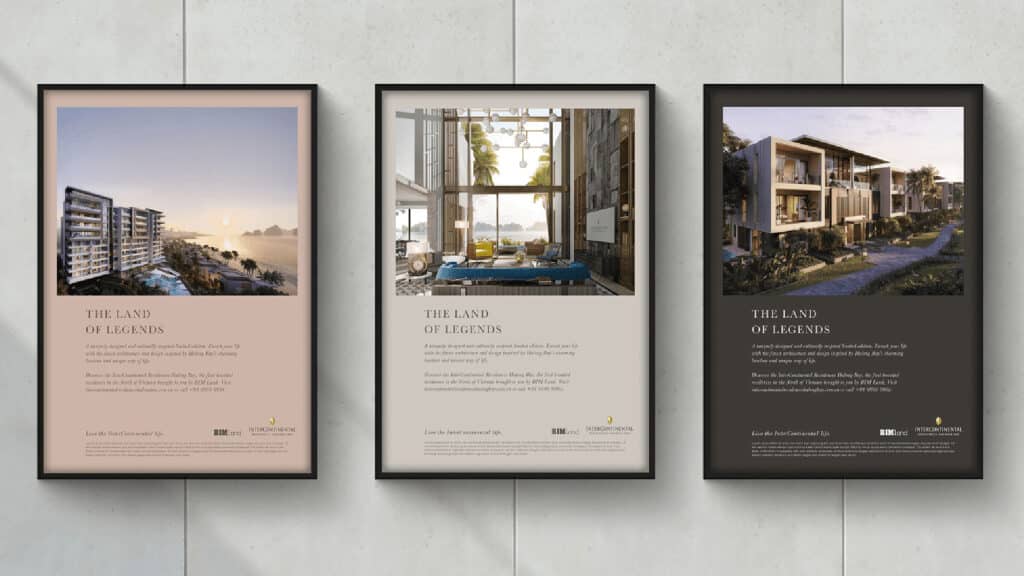
Stories rooted in place create emotional depth and lasting resonance. Buyers invest in a residence, its identity and its connection to place, creating a richer ownership experience.
Smart Living is Becoming Part of Premium Living
Technology is also reshaping expectations within luxury residential developments.
Today’s affluent buyers increasingly expect intelligence to be embedded seamlessly into everyday living. Smart home capabilities, energy efficiency, personalised services and digitally enabled experiences are becoming part of the premium proposition.
Singapore’s 19 Nassim by Keppel Land illustrates this evolution. Positioned around the idea of Precious, the development connects contemporary smart living with the heritage of the Nassim district and the surrounding Singapore Botanic Gardens. Its branding celebrates architectural restraint, landscape integration and technological sophistication through a carefully curated visual and verbal identity that reflects modern luxury.
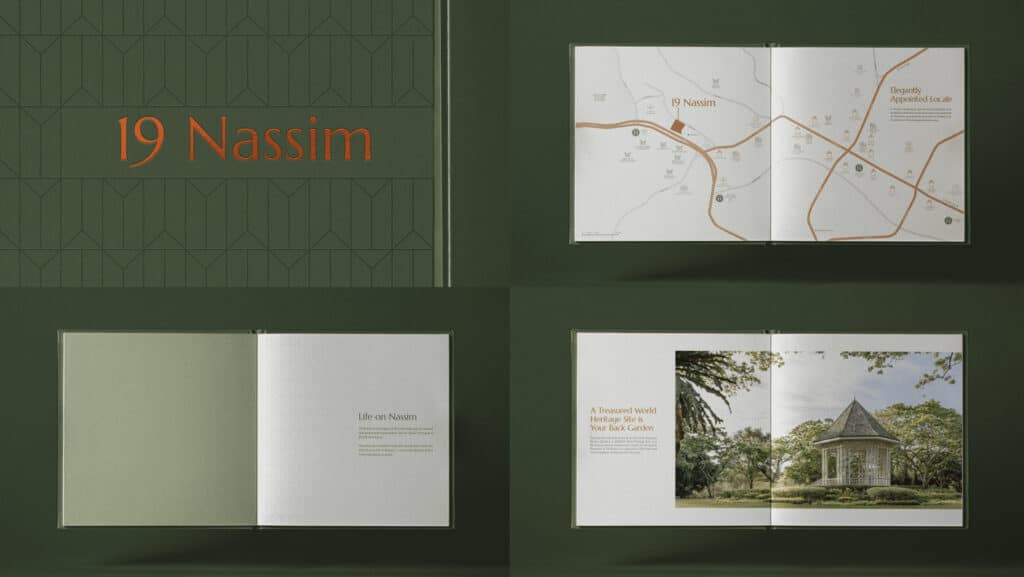
Rather than presenting technology as a feature list, the brand incorporates innovation into a broader story of elevated everyday living.
Designing Belonging for the Next Generation of Luxury Buyers
As branded residences continue their rapid growth across Southeast Asia, successful developments will increasingly distinguish themselves through the experiences they create as much as the homes they deliver.
Design plays a central role in shaping those experiences. It gives physical form to a development’s values, communicates its personality and creates consistency across every interaction, from first enquiry to long-term ownership.
Luxury branding is therefore becoming an exercise in creating places people genuinely want to belong to. Developments that combine thoughtful storytelling, meaningful design and authentic connections to place will continue to resonate with increasingly sophisticated buyers across the region.
As Southeast Asia’s luxury residential market matures, developments that foster emotional connection, memorable experiences and a strong sense of identity are likely to build enduring value for residents and developers alike.
References
Want your development to be a place people want to belong to?